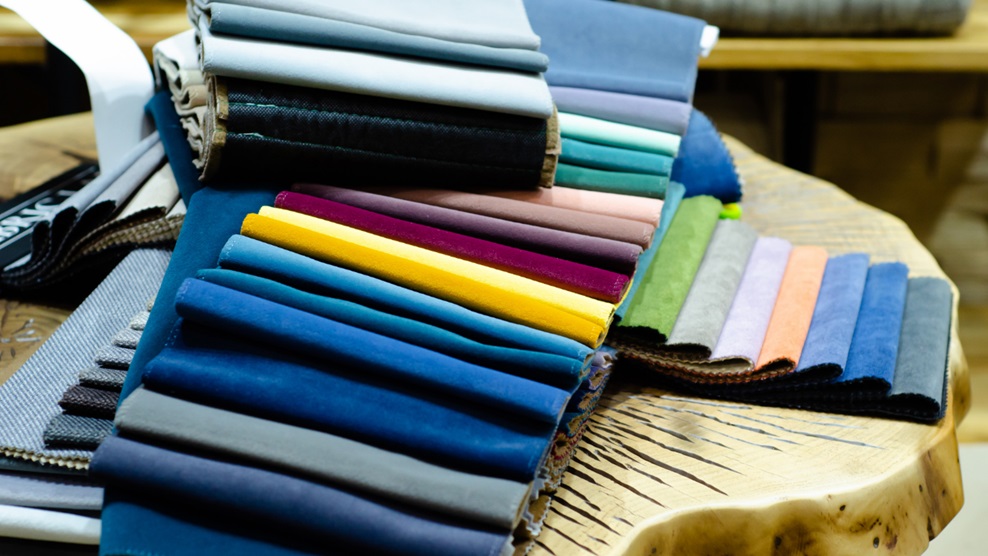


Class shirt purchases begin months ahead of collection day, usually with a small committee gathering sizes, artwork ideas, and headcounts from each form group. Teachers or student leaders collect preferences early so production numbers settle comfortably. Schools reviewing t-shirt printing singapore options often study samples first, comparing fabric weight and print sharpness calmly before confirming anything.
Timing guides each step after that. Orientation batches, sports day kits, and graduation shirts all connect to fixed calendar dates, so experienced coordinators work backwards from each event and add comfortable buffer weeks. Sizing charts circulate alongside actual sample garments where possible, letting students try pieces on rather than estimate from paper alone. Payment collection runs in parallel, tallied per class, so final numbers lock neatly before production starts. Careful early groundwork keeps everything smooth right through to the day shirts reach eager hands.
What should committees check?
A few areas deserve close, friendly attention before any agreement gets signed.
- Fabric suitability
Tropical weather rewards breathable cotton or blended weaves. Lighter garments stay comfortable through daily wear, physical education sessions, and outdoor celebrations, which keeps them in regular rotation.
- Print durability
School shirts enjoy long active lives, so committees ask how artwork holds across thirty washes, review wash-tested samples, and confirm large back prints stay smooth along fold lines.
- Sizing spread
Cohorts span smaller frames through adult fits. Wide size ranges within one colour batch keep shades matching beautifully across every garment ordered.
What designs work well?
Student-voted artwork wins wearability contests almost every time. Designs chosen through class polls get worn proudly long after events finish, becoming genuine keepsakes rather than occasional wear. Winning entries usually feature bold graphics, graduation years, house colours, or friendly inside jokes carrying meaning within that cohort.
Simplicity supports production nicely, too. Three colours or fewer print cleanly across large batches and keep artwork looking fresh wash after wash. Nicknames along sleeves or backs remain popular additions, with character limits set early so layouts stay tidy. Sharing draft mockups across entire classes before approval invites everyone into the process, and small refinements happen easily while changes still take moments.
Smooth and efficient handling
Collection day flows best when preparation matches the ordering stage itself. Shirts arriving boxed by size are sorted quickly into class bundles, and coordinators confirm quantities against order sheets right away so records stay tidy from the start.
Exchange windows work wonderfully with clear communication. Students receive a fixed period, often one week, for size swaps drawn from reserve stock ordered above the exact headcount. Thoughtful committees add around five per cent extra across middle sizes precisely for this moment. Spare pieces find homes easily, too; late enrollees, teachers, and next term replacements welcome them gladly, so every garment ends up worn.
Class shirts arranged with care become treasures that students keep years after graduation. Early planning, student-led design, comfortable timelines, organised handover, each stage lifts the next, turning one simple garment order into a memory that an entire cohort shares fondly.